What was BBS
May 23, 2026
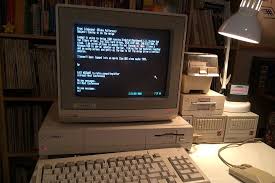
first of all let me prepare your mind. Imagine you are a young geek in your basement in the midnight of 1980, want to check your mail messages but how? you pick your modem-phone and call to BBS(bulletin board system) server. wait, what is BBS server?
BBS stands for Bulletin Board System
when you call with your modem-phone to an other(BBS) you have a connection and can transer data between youres on your phone cable
What was a BBS server
a computer that connect to a modem that connect to a phone cable and when you call to the number youre both computers can communicate with each other on phone cable
When was BBS server used
BBS servers were most prominent from the late 1970s through the mid-1990s. They were a primary means of online communication and information sharing before the widespread adoption of the internet.
BBS servers is used for what
BBS servers served various purposes:
-
Message Boards: Users could leave messages for others, creating forums for discussion on specific topics.
-
File Sharing: Users could upload and download files, including software, games, and documents.
-
Email: Some BBS systems offered rudimentary email services for users to send messages to each other.
-
Chat: Real-time chat between users connected to the same BBS was also possible on some systems.
-
Games: Many BBSs hosted simple online games that users could play.
Which protocol is used for transfer data in BBS
The primary protocols used for data transfer in BBS systems were serial communication protocols like XMODEM, YMODEM, and ZMODEM. These protocols were designed for reliable data transfer over relatively slow and sometimes unreliable telephone lines.
Why BBS is deprecated
BBS systems were largely superseded by the growth of the internet and the World Wide Web. The internet offered:
- Wider Connectivity: The internet allowed global connections, far beyond the reach of individual BBS phone numbers.
- Higher Speeds: Internet connections, especially broadband, offered significantly faster data transfer rates.
- Richer Content: The World Wide Web provided a more graphical and multimedia-rich experience.
- Centralized Information: The internet became a vast, interconnected repository of information, making centralized BBS archives less necessary.